A fundamental aim of science is to make it tangible and accessible to everyone. But also to illustrate technological possibilities and potentials.
Today there is a versatile scientific use of computer games, ranging from simulation and verification of exemplary scenarios to the research of artificial intelligence. And also to improve the mass appeal of electronic hardware. This applies to video and computer games in general, a contemporary cult of historical importance and a particularly fragile commercial and social relevant asset. In this context many initiatives and institutions have recognized the relevance of preservation and conservation of this heritage for a long time and are exploring methods of restoration and preservation.
As part of MEGA - Museum of Electronic Games & Art, research project of Canan Hastik, graduate at the Faculty of Media at Hochschule Darmstadt, the historical development of computer and video games as well as relevant artistic artifacts are being documented within different case studies. With a view on technological break-throughs gaming technology is getting outlined in its social context and may be experienced by the public in specific exhibitions and through diverse media.
Collection
Several collectors bring themselves in and give MEGA access to a wide range of portable and stationary consoles and home computers plus software. The specific characteristic of this collection are unique handhelds, rare tabletops and an unseen variety of development adaptors or modifications, such as development devices for SNES and N64, but also flashcarts for VirtualBoy, Vectrex and others, enriched by an outstandingly big archive of original scene releases.
Some portable exhibits
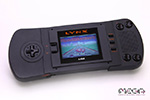
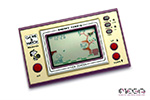
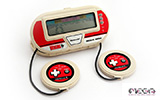
ATARI Lynx, Nintendo Game & Watch Snoopy and Boxing Micro vs System
The collection is diverse and includes ...
- one-game LED-display games like Auto Race by Mattel Electronics (1976) and Merlin by Parker Brothers (1978)
- one-game LCD-display systems such as currently 56 variations of the classic Game & Watch series from Nintendo (1981-2010) as well as the multi, wide and panorama screen plus micro vs. system series. There is also a big number of rare tabletops by Coleco, Entex, Tomy, MB and others.
- multi-game systems like the Microvision from Milton Bradley (1979), Supervision from Watara and Lynx by Atari as well as all newer generations.
- the video game console inventory includes first generation analog exhibits to processor-based systems of all generations, including various clones and curiosities.
- home computer, personal computers and workstations, starting from 1977 with classics from 80s and 90s, but also rarities such as the Acorn Archimedes (1987) and the NEXT station (1990) by Steve Jobs.
Some stationary exhibits
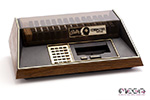
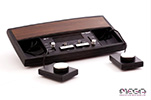
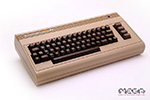
Bally Astrocade, Pong clone TV FUN and Commodore 64
Supporters
A project originating from a sponteaneous idea has progressed into a great team of developers, designers and supporters providing a new perception of the most popular heritage of our time.
Some of the supporters



For further detailed information please visit the website of MEGA - Museum of Electronic Games & Art.
 Canan Hastik